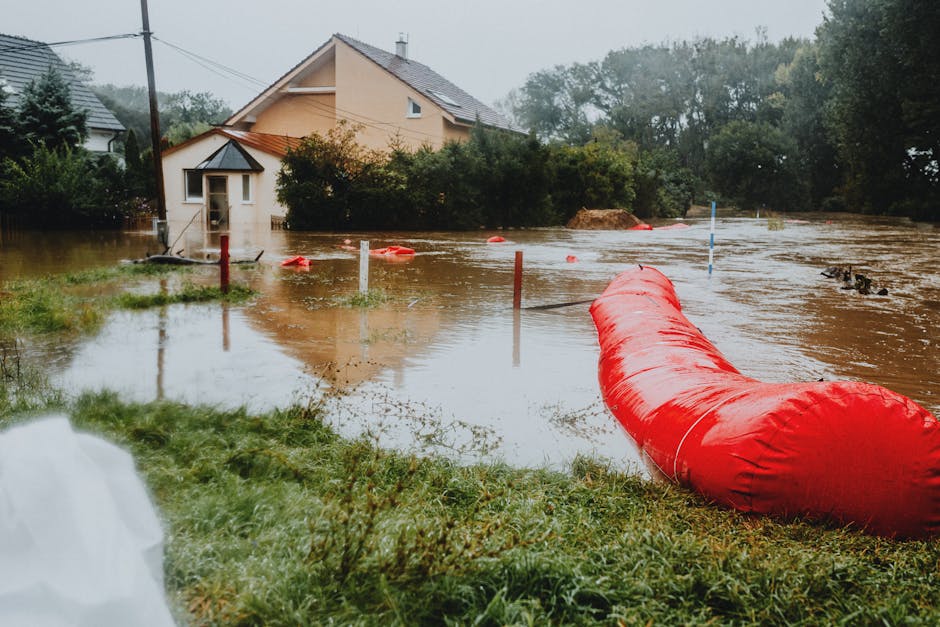
What to know about emergency flood cleaning in St Johns homes
When water gets into a home, the clock starts ticking straight away. Floors can swell, carpets hold onto moisture, plaster begins to soften, and that wet, earthy smell settles in before you have even had time to think. If you are dealing with emergency flood cleaning in St Johns homes, what happens in the first few hours matters a lot more than most people realise. The good news? A calm, methodical response can reduce damage, limit mould growth, and make the whole recovery process less stressful.
St Johns homes can face flooding from burst pipes, appliance leaks, roof problems, blocked drains, or heavy rain getting in where it should not. This guide explains what emergency flood cleaning involves, how it works, what to do first, and how to avoid the mistakes that can turn a bad situation into a much worse one. It is practical, local, and written for the moment when you need clear answers, not jargon.
Table of Contents
- Why emergency flood cleaning in St Johns homes matters
- How the emergency flood cleaning process works
- Key benefits and practical advantages
- Who this is for and when it makes sense
- Step-by-step guidance
- Expert tips for better results
- Common mistakes to avoid
- Tools, resources and recommendations
- Law, compliance, standards and best practice
- Options, methods and comparison table
- Case study or real-world example
- Practical checklist
- Conclusion
- Frequently asked questions
Why emergency flood cleaning in St Johns homes matters
Floodwater is not just "extra water on the floor". In a home, it can carry dirt, bacteria, sewage traces, silt, detergents, and all sorts of debris depending on the source. Even clean water from a pipe burst can become a problem quickly once it sits inside carpets, under skirting boards, or inside timber flooring. That is why emergency flood cleaning is about speed, safety, and proper drying as much as it is about visible cleanup.
In St Johns, many homes are a mix of older properties, converted buildings, and modern flats. That mix matters. Older floorboards can trap moisture underneath. Plaster walls may absorb water fast. Shared buildings can have awkward access, so delays creep in while everyone figures out where the leak started. And let's face it, flood damage rarely waits politely for a convenient time.
The main risk is not just what you can see today. It is what develops over the next few days: mould, lingering damp, warped materials, stained carpets, and hidden damage behind walls or under floors. A room may look "mostly fine" after a quick mop, but that is often the point where problems begin. Truth be told, this is where professional drying and inspection can save a lot of grief.
Practical takeaway: the faster you remove standing water and start drying the structure, the better your chances of avoiding long-term damage, costly replacement, and that stubborn musty smell that seems to live forever.
How emergency flood cleaning in St Johns homes works
The process usually starts with assessment. Before any heavy cleaning, the source of the water needs to be identified and made safe. If the flood is from a burst pipe or appliance, the water supply may need to be turned off. If it is rainwater or surface water, the priority is stopping more water from coming in and checking whether electrics or contaminated materials are affected.
From there, emergency flood cleaning generally moves through a few stages:
- Safety check and containment. The affected area is made safe, and access may be limited if electrics, ceilings, or unstable floors are involved.
- Water extraction. Standing water is removed using pumps, wet vacuums, or other extraction tools.
- Removal of damaged items. Soaked rugs, loose furnishings, underlay, and affected contents may need to be moved out quickly.
- Deep cleaning and sanitising. Surfaces are cleaned to remove dirt, residues, and contaminants. This step is especially important after floodwater rather than a simple leak.
- Drying and dehumidification. Airflow, dehumidifiers, and sometimes targeted drying equipment are used to reduce moisture in walls, floors, and air.
- Monitoring. Moisture levels are checked over time to make sure hidden damp is not lingering.
Not every job needs the same intensity. A small washing machine leak on laminate flooring is very different from a ground-floor flood after heavy rain. Still, the principle is the same: remove water, clean properly, dry thoroughly, and verify the structure is actually drying, not just the surface.
You may hear terms like "secondary damage" or "moisture migration". They sound technical, but the idea is simple. Water moves into places you cannot see. Under furniture. Behind plaster. Into grout lines. Into insulation. That is why a surface wipe-down is rarely enough on its own.
Key benefits and practical advantages
Emergency flood cleaning is not only about tidying up. It protects the home in a few very real ways.
- Reduces mould risk: Fast drying limits the conditions mould needs to spread.
- Helps preserve flooring: Carpet, timber, vinyl, and laminate can all be damaged if moisture sits too long.
- Protects indoor air quality: Damp and contamination can affect the air in a room long after the water is gone.
- Lowers the chance of hidden damage: Careful drying and checks can reveal trapped moisture before it spreads.
- Speeds up normal life again: The sooner the home is safe and dry, the sooner everyone can get back to ordinary routines.
There is also a practical financial benefit. While nobody wants to think about costs during a flood, leaving water in place usually gets more expensive. A quick response can sometimes mean restoration rather than replacement. That is a big difference. A very big one, actually.
For many St Johns households, the emotional benefit matters too. Wet carpets, displaced furniture, and the smell of damp can feel overwhelming. A structured cleanup gives people something concrete to do, and that helps. Small thing, perhaps, but it counts.
Who this is for and when it makes sense
This kind of emergency cleaning makes sense for anyone whose home has been affected by water intrusion, but there are a few common scenarios where it becomes urgent:
- Burst pipes or plumbing failures in kitchens, bathrooms, lofts, or utility spaces.
- Washing machine, dishwasher, or heating system leaks that spread into flooring and walls.
- Overflow events from sinks, baths, toilets, or blocked waste pipes.
- Rainwater ingress through roofs, windows, or damaged seals during heavy weather.
- Basement or ground-floor flooding where water enters from outside or via drainage issues.
- Holiday absences where a leak has gone unnoticed for hours or days.
If the water is limited to a very small area and has been caught immediately, you may only need light drying and careful cleaning. But if moisture has spread into carpets, underlay, walls, or subfloors, emergency flood cleaning becomes much more important.
One helpful way to think about it: if you can still smell damp after you think you have cleaned, or if flooring feels soft, cool, or slightly raised, you probably have more than a surface problem. That is usually the moment to stop guessing.
Step-by-step guidance
Here is a sensible order of operations for homeowners in St Johns. It is not glamorous, but it works.
1. Make the area safe
Before stepping into standing water, check for electrical hazards. If sockets, appliances, extension leads, or consumer units may be affected, do not assume they are safe. If there is any doubt, switch off power to the affected area only if it is safe to do so, and avoid contact with water near electrics. If contamination is involved, treat the water with caution.
2. Stop the source
If the leak is ongoing, turn off the supply or isolate the appliance. A flood cannot be cleaned properly while water is still entering the room. Sounds obvious, but in the middle of panic, obvious things get missed.
3. Remove standing water
Use towels, mops, buckets, wet vacuums, or extraction equipment depending on the scale. Move quickly, but do not spread dirty water from room to room. Work from the cleanest area outward.
4. Protect salvageable items
Lift furniture legs onto blocks or foil pads if appropriate. Move valuables, paperwork, electronics, and soft furnishings out of harm's way. If rugs and cushions are soaked, dry them separately. Wet fabric can trap odours fast.
5. Start airflow and dehumidification
Open windows if weather and security allow, but do not rely on fresh air alone. Dehumidifiers and fans are usually much more effective. Keep airflow consistent rather than blasting one corner and ignoring the rest.
6. Clean, disinfect, and inspect
After water removal, affected surfaces need proper cleaning. The cleaning method depends on the source of the water and the materials involved. Porous materials may need special treatment or removal if contamination or long-term saturation is present.
7. Monitor moisture over time
Drying is not always visible. A surface can feel dry while hidden areas remain damp. Moisture monitoring, whether basic or professional, is what prevents the common "we thought it was fine" problem. That one causes more frustration than people expect.
8. Decide what can be restored and what must go
Some items can be cleaned and saved. Others, especially heavily contaminated underlay, warped chipboard, or soaked insulation, may need replacement. This is often a judgement call, and it is better to be realistic than sentimental about materials that will never properly recover.
Expert tips for better results
Experience tends to teach the same lessons over and over. Here are the ones worth keeping.
- Act within hours, not days. The first 24 to 48 hours are usually critical for limiting secondary damage.
- Don't dry too quickly in the wrong way. A heater pointed directly at wet flooring can cause distortion or surface damage. Controlled drying is usually safer.
- Lift and ventilate where you can. If furniture sits on wet carpet, moisture gets trapped underneath. Even a small lift helps.
- Document the damage. Photos and notes help with insurance, landlord communication, and decision-making.
- Check adjoining rooms. Water often travels under thresholds and along service runs. The visible puddle is rarely the full story.
- Deal with odours early. A persistent damp smell usually means moisture or contamination remains somewhere.
A simple observation from real life: people often focus on the room where the water is visible, but the actual damage may sit one or two rooms away. Under a hallway floor. Around a skirting board. In a cupboard corner nobody thought to open. That is why a proper inspection matters.
And yes, sometimes the solution is not dramatic. Sometimes it is just a combination of patience, airflow, and the right equipment. Nothing flashy. Just effective.
Common mistakes to avoid
Most flood cleanup mistakes come from trying to move too quickly or underestimating how far the water travelled.
- Using a normal household vacuum on water. That is unsafe and can damage the appliance.
- Ignoring hidden spaces. Cupboards, underfloor voids, and wall cavities can hold moisture for days.
- Replacing furniture before the room is dry. Heavy items can trap moisture and mark floors.
- Masking the smell with fragrance products. If the damp source is still there, the odour will come back.
- Assuming clean-looking water is harmless. Even clean water can become stale or contaminated once it sits inside a property.
- Skipping documentation. This can make insurance conversations more difficult later.
One mistake deserves special mention: people sometimes start repainting or laying new flooring too early. It seems like progress. It is not. If the structure is still damp, new finishes can fail and trap moisture underneath. A bit frustrating, admittedly, but better to wait than redo everything.
Tools, resources and recommendations
The right tools make emergency flood cleaning far more manageable. You do not need every gadget under the sun, but a few basics are very helpful.
| Tool or resource | What it helps with | Best use case |
|---|---|---|
| Wet vacuum or water extractor | Removing standing water from hard floors and some carpets | Minor to moderate flooding |
| Dehumidifier | Pulling moisture from air and nearby materials | Ongoing drying after water removal |
| Air mover or fan | Improving airflow and speeding surface drying | Rooms with poor ventilation |
| Moisture meter | Checking whether materials are still damp | Monitoring before repairs |
| Protective gloves and footwear | Reducing contact with dirty water and debris | Any flood cleanup, especially contaminated water |
| Heavy-duty bags and containers | Collecting ruined materials safely | When items cannot be saved |
If you are looking for related help on soft furnishings after a flood, services such as sofa cleaning, upholstery cleaning, and curtain cleaning can be useful once the space itself is dry enough to work on. Likewise, if carpets have been affected, steam carpet cleaning and stain removal may help after the emergency stage is over.
For homes with pets, floodwater and lingering damp can be especially unpleasant. In those cases, pet stain odour removal may be relevant once the immediate water damage has been addressed. It is not the first job, but it can be part of the recovery.
If you are comparing services, it also helps to understand what is included in the quotation, what drying equipment is used, and whether the team explains the difference between visible cleaning and structural drying. That bit matters more than people think.
Law, compliance, standards and best practice
For homeowners, the most important point is safety and reasonable care. If floodwater may be contaminated, if electrics have been affected, or if the property structure is compromised, the job should be approached carefully and, where appropriate, by trained professionals. In the UK, common best practice is to prioritise safe isolation of hazards, controlled drying, and proper disposal of contaminated materials.
If you are a tenant, landlord, or managing agent, there may also be repair responsibilities to consider under the tenancy agreement or property management arrangements. Those details vary, so it is sensible to document the issue quickly and notify the relevant party without delay.
Insurance processes can also shape what happens next. Insurers often expect homeowners to take reasonable steps to prevent further damage once it is safe to do so. That usually means stopping the leak, reducing water spread, and keeping records of what happened. It does not mean taking unnecessary risks. Safety first, always.
On the cleaning side, the best practice standard is simple enough: remove moisture, clean thoroughly, dry properly, and verify the outcome before rebuilding or redecorating. If a service provider offers flood cleaning, ask how they check for hidden moisture and what advice they give about returning furniture or replacing flooring. Clear answers are a good sign.
Options, methods and comparison table
Not every flood clean is the same. The method depends on the source of water, the materials affected, and how long the water has been present.
| Approach | Best for | Pros | Limits |
|---|---|---|---|
| DIY cleanup | Small, clean water spills caught quickly | Fast, low cost, immediate action | Easy to miss hidden moisture; not ideal for contaminated water |
| Targeted professional cleaning | Moderate leaks, affected carpets, damp rooms | Better equipment, more thorough drying, expert judgement | May still require some disruption |
| Full restoration approach | Severe flooding or contaminated water | Comprehensive drying and sanitising | More time, higher cost, sometimes involves removal of materials |
For a small leak, DIY may be enough if you act quickly and the materials are resilient. But once carpets, underlay, timber, or wall cavities are involved, a more thorough approach is usually the safer bet. No drama, just reality.
Case study or real-world example
Picture a St Johns family returning home on a wet evening and finding a kitchen floor covered after a supply hose failed behind the washing machine. The water had spread through the kitchen, under the kickboards, and into the edge of the adjoining hall carpet. At first glance it looked manageable. Towels, a mop, and a fan seemed like enough.
But once the machine was moved, the damp smell was stronger than expected. The laminate edges had started to lift slightly. Water had tracked under the hallway threshold too. Instead of just drying the kitchen surface, the area needed extraction, careful lifting of affected sections, and dehumidification over several days. The family did the sensible thing: cleared nearby furniture, kept children out of the room, and documented the damage before any replacement work started.
The useful lesson here is simple. What looks like a small flood can still hide quite a bit of trouble. The good news is that early action can make a real difference. By dealing with it promptly, they avoided a bigger repair later. That is the bit people remember once the room is back to normal and the stress has passed.
Practical checklist
Use this checklist if you are dealing with flood damage in a St Johns home.
- Turn off the water source if possible and safe.
- Check for electrical hazards before entering the area.
- Remove standing water as quickly as you can.
- Move valuables and soft furnishings out of harm's way.
- Ventilate the room and start dehumidification.
- Inspect carpets, flooring edges, skirting boards, and nearby rooms.
- Document damage with clear photos and notes.
- Dispose of unsalvageable items safely.
- Monitor for damp smell, soft floors, or staining over the next few days.
- Do not redecorate or reinstall flooring until the area is truly dry.
If you can tick those off, you are in a much better position. Not perfect, maybe, but far better.
Conclusion
What to know about emergency flood cleaning in St Johns homes comes down to a few core ideas: act fast, stay safe, clean properly, and dry thoroughly. A flood is never pleasant, and it can feel chaotic in the moment, but a clear plan makes the situation far easier to handle. The main thing is not to rush past the hidden damage. That is where flood problems like to hide.
Whether the issue is a burst pipe, a washing machine leak, or water coming in after bad weather, the right response protects your home from mould, odours, and avoidable repair costs. If you are unsure how far the water has travelled, or if the damage involves carpets, walls, or electrics, getting help early is usually the smart move.
Get a free quote today and see how much you can save.
And if you are reading this in the middle of a messy, stressful evening, take a breath. The situation may feel bigger than it is right now. Step by step, it can be sorted.
Frequently Asked Questions
How quickly should emergency flood cleaning start in a St Johns home?
Ideally, as soon as the area is safe and the source of water has been stopped. The first few hours matter most because moisture can spread into floors and walls very quickly.
Can I clean up floodwater myself?
Small clean-water leaks may be manageable if you act quickly. But if the water is dirty, the area is large, or carpets and walls are affected, professional help is often the safer choice.
What is the biggest risk if I leave floodwater too long?
The main risks are mould growth, hidden damp, warped flooring, damaged plaster, and persistent odours. Even if the surface looks fine, moisture may still be trapped underneath.
Do I need to throw away everything that got wet?
Not always. Hard, non-porous items can often be cleaned and saved. Porous materials, soaked underlay, and heavily contaminated items may need to be removed.
Will a fan dry the room enough on its own?
Usually not. Fans help with airflow, but dehumidifiers are often needed to pull moisture out of the air and building materials. For many flood jobs, both work better together.
How do I know if there is still hidden moisture?
Common signs include a damp smell, cool or soft flooring, staining, or materials that feel slightly swollen. Moisture meters are useful for a more reliable check.
Is floodwater from a burst pipe safe to clean?
It can still cause damage, but it is generally less concerning than contaminated water from sewage or surface flooding. Even so, it should be cleaned promptly and dried thoroughly.
Can flood cleaning help prevent mould?
Yes, if it is done properly and quickly. The key is to remove moisture, clean affected surfaces, and keep drying until hidden damp has gone too.
What should I do first if my carpet gets flooded?
Stop the water source, remove as much water as possible, and start drying straight away. If the carpet or underlay is heavily soaked, it may need professional extraction and assessment.
How long does flood drying usually take?
It depends on the amount of water, the materials affected, and ventilation. Small areas may dry in a day or two, while more serious damage can take much longer.
Can I stay in the house during flood drying?
Sometimes yes, but it depends on the extent of the damage and whether electrics, contamination, or structural issues are involved. Safety should always come first.
What should I ask before booking a flood cleaning service?
Ask how they assess hidden moisture, what drying equipment they use, whether they handle sanitising, and how they decide what can be restored versus replaced.
Are mouldy smells after a flood normal?
They are common, but they are not something to ignore. A lingering smell usually means moisture or contamination is still present somewhere and needs attention.
What is the most sensible next step after a flood in St Johns?
Make the area safe, document the damage, begin drying, and get a proper assessment if the water has spread beyond a small surface spill. A calm first response usually saves time later.
For more general information about our company and the way we work, you can also visit the about us page or review our pricing and quotes information if you are planning next steps.