St Johns High Street carpet cleaning near St Johns Station: a practical local guide
If you live, work, or run a business around St Johns High Street and you are searching for carpet cleaning near St Johns Station, you are probably dealing with one of three things: tired-looking carpet, a stubborn spill, or that slow build-up of dust and everyday grit that seems to appear out of nowhere. It happens. Shoes bring in street dirt, pets do their thing, and busy homes or premises near a station pick up more wear than you first notice. This guide explains what St Johns High Street carpet cleaning near St Johns Station involves, how the process works, what to expect, and how to choose the right approach without wasting time or money.
Along the way, you will also find practical tips, a comparison table, a checklist, and answers to the questions people genuinely ask before booking. If you want a broader overview of the service behind this topic, it can help to start with the main carpet cleaning service and then explore related options like steam carpet cleaning or stain removal when specific marks are the problem.
Table of Contents
- Why St Johns High Street carpet cleaning near St Johns Station Matters
- How St Johns High Street carpet cleaning near St Johns Station Works
- Key Benefits and Practical Advantages
- Who This Is For and When It Makes Sense
- Step-by-Step Guidance
- Expert Tips for Better Results
- Common Mistakes to Avoid
- Tools, Resources and Recommendations
- Law, Compliance, Standards, or Best Practice
- Options, Methods, or Comparison Table
- Case Study or Real-World Example
- Practical Checklist
- Conclusion
- Frequently Asked Questions
Why St Johns High Street carpet cleaning near St Johns Station Matters
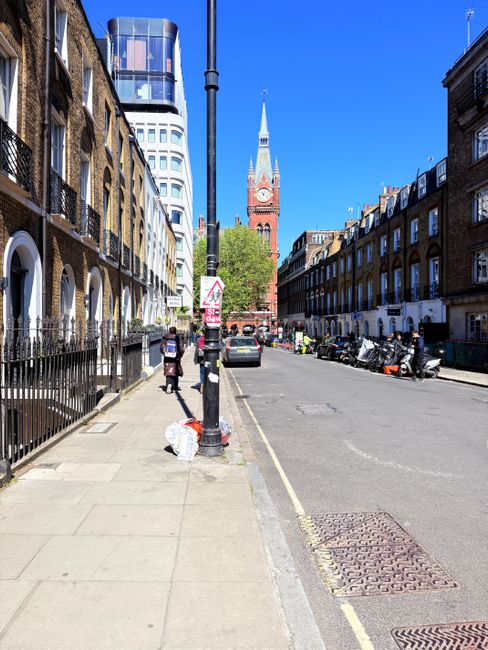
St Johns High Street sits in a part of London where footfall, weather, and daily life all leave a mark. Around a station, carpets rarely stay clean for long. Think about the routine: wet shoes on a drizzly morning, dust carried in on the way home, coffee splashes in a shared office, or the faint grey tint that appears in hallways and entrance areas after a few months. It's not dramatic, just cumulative. And cumulative dirt is often what makes carpets look older than they really are.
The reason this matters goes beyond appearance. Carpets can hold fine particles, allergens, odours, and soils that vacuuming alone will not fully remove. In homes, that can affect comfort and the feel of the space. In commercial settings, it can affect first impressions. A clean carpet tells people the place is looked after. A neglected one says the opposite, even if everything else is immaculate. Bit unfair, maybe, but true.
There is also a practical side. Ground-in dirt acts like sandpaper on carpet fibres, especially in busy walkways. Over time, that can flatten the pile and make the carpet wear unevenly. Regular professional cleaning helps reduce that wear, which is one reason many property owners on or near high streets build it into normal maintenance rather than waiting for a crisis.
Expert summary: if your carpet is visibly dull, smells stale after rain, or gets heavy daily foot traffic from the station side of the street, you are probably already past the point where routine vacuuming is enough. That does not mean the carpet is "done". It usually means it needs the right clean, at the right depth, for the right fibre.
How St Johns High Street carpet cleaning near St Johns Station Works
Carpet cleaning is not just about spraying something on and hoping for the best. A proper job usually starts with inspection. The cleaner identifies the fibre type, checks for stains, tests for colour fastness where needed, and looks at the level of soil. That first look matters more than most people realise. Wool, synthetic, and blended carpets all behave differently, and using the wrong method can leave residue, over-wet the pile, or set a stain deeper.
For many carpets, the process includes a thorough vacuum, pre-treatment for spots and traffic lanes, agitation where appropriate, and then the main clean. Depending on the method, moisture and heat are managed carefully so the carpet is not left soggy. In a busy property near St Johns Station, drying time matters. Nobody wants to tiptoe around a damp hallway all evening. To be fair, that would get old fast.
For deeper cleans, hot water extraction is often used in professional carpet cleaning. People sometimes call it steam cleaning, although it is not usually just steam alone. The process uses heated water and cleaning solution, then extracts the soil and moisture. It is especially useful when carpets need a proper reset rather than a surface refresh. For lighter maintenance or more delicate fabrics, a different approach may be better. That judgement call is part of the expertise.
When stain issues are more specific, the process may be paired with targeted pet stain and odour removal or focused stain treatment. That matters because a red wine spot, a pet accident, and a muddy footprint do not all behave the same way. One-size-fits-all cleaning is where people run into trouble.
What usually happens on the day
- The carpet is checked for fibre type, wear, and visible problem areas.
- Furniture or access points are discussed so the work can be planned properly.
- Dry soil is removed with a proper vacuum.
- Targeted pre-treatment is applied to stains or traffic lanes.
- The selected cleaning method is used, with care around edges and high-traffic areas.
- Drying advice is given so the carpet can be used safely afterwards.
That sounds simple, and in a way it is. But the detail is where the result comes from.
Key Benefits and Practical Advantages
The most obvious benefit is a cleaner-looking carpet. Fair enough. But the real value is a bit broader than that. Professional cleaning can improve the overall feel of a room, reduce lingering smells, and help restore the appearance of high-use areas that have started to look patchy or worn.
- Better appearance: traffic lanes, dull patches, and isolated stains are easier to lift with the right equipment.
- Improved freshness: carpets can hold stale odours, especially in homes with pets or shared premises.
- Longer carpet life: removing abrasive dirt can help fibres last longer.
- More comfortable space: a freshly cleaned carpet changes the atmosphere of a room more than people expect.
- Better presentation for visitors: useful for landlords, offices, shops, and anyone who needs a tidy first impression near a station route.
There is a small but real psychological benefit too. A clean carpet makes the whole place feel more settled. You notice it when you walk in, even if you cannot quite put your finger on why. It is one of those quiet improvements that just makes daily life easier.
If you are comparing related services, it may also help to look at commercial carpet cleaning for business premises or rug cleaning if the issue is not wall-to-wall carpet at all, but a loose rug in a living room or reception area.
Who This Is For and When It Makes Sense
This kind of carpet cleaning is not just for people with obvious stains. In practice, it suits a few different situations. If any of these sound familiar, you are likely due for a proper clean rather than another quick vacuum and a sigh.
- Busy households: especially if children, pets, or frequent guests mean the carpet gets worked hard.
- Landlords and letting agents: end-of-tenancy presentation can be much easier to manage with a cleaned carpet.
- Offices and small businesses: entrance areas and walkways around St Johns High Street can pick up dirt quickly.
- Shops or service premises: where customers notice the floor almost immediately.
- People dealing with smells or stains: spillages, food marks, pet accidents, and unknown patches all need targeted attention.
- Anyone preparing to sell, let, or redecorate: carpet cleaning is a sensible finishing step before viewings or new furniture arrives.
Sometimes the trigger is not visual. It is that slightly stuffy smell on a damp morning. Or the carpet that still looks clean in one light, then suddenly looks a bit tired in another. That shift is usually the cue.
Step-by-Step Guidance
If you are booking a carpet clean near St Johns Station for the first time, it helps to know what a sensible process looks like. A good job is usually more methodical than people think.
1. Assess the carpet honestly
Start by looking at the carpet in daylight if possible. Check traffic lanes, corners, edges, and any stain areas. Ask yourself whether the main problem is soil, odour, stains, or wear. The answer affects the method.
2. Identify the carpet type
Wool carpets, synthetic carpets, and mixed fibres respond differently to water, heat, and cleaning chemistry. If you are unsure, do not guess. A professional cleaner should inspect before beginning. That step saves a lot of awkwardness later.
3. Decide whether you need maintenance or restoration
A lightly soiled bedroom carpet might only need a freshening clean. A hallway with dark footpaths and old spill marks may need a deeper treatment. The job definition matters because expectations matter. Nobody enjoys the "it looked better in my head" moment.
4. Clear access and protect the room
Move smaller items, make a path to the working area, and consider what needs to stay in place. If you have fragile items, talk about them beforehand. Good prep means less faff on the day.
5. Ask about drying time
Drying time depends on method, airflow, room temperature, fibre type, and how much soil had to be removed. A cleaner should be able to give a realistic expectation. Do not expect an exact minute count; carpets are not kettles.
6. Follow aftercare advice
After cleaning, avoid heavy foot traffic until the carpet is suitably dry, and do not rush to place furniture back unless you have guidance. If there are stubborn marks left, ask whether they need a follow-up spot treatment.
Expert Tips for Better Results
Here is where small details make a noticeable difference. In our experience, the best results rarely come from one dramatic trick. They come from a few simple habits done properly.
- Vacuum before the appointment: dry soil is easier to remove when it has not been compacted into the fibres.
- Point out problem areas clearly: mention pet spots, spillages, traffic lanes, and any previous DIY stain attempts.
- Avoid soaking stains with random products: especially before a professional visit. Some sprays can lock a stain in place.
- Use mats at entry points: near a station route, this helps a lot more than people expect.
- Ventilate after cleaning: open windows where practical to support drying.
- Schedule cleaning before the carpet looks terrible: maintenance is easier than rescue work. Much easier.
One often-overlooked tip is to test a tiny, hidden area before any DIY pre-treatment, particularly if the carpet is older or brightly coloured. It takes a minute. It can save a disaster. A decent trade-off, really.
If your property has upholstered chairs, sofas, or fabric headboards in the same space, it can be sensible to coordinate the clean with upholstery cleaning or sofa cleaning so the room feels properly refreshed rather than half-done.
Common Mistakes to Avoid
A lot of carpet disappointment comes from avoidable mistakes, not bad luck. Here are the ones that show up again and again.
- Using too much water: over-wetting can lead to long drying times and, in some cases, odour or residue issues.
- Scrubbing stains hard: this can damage fibres and spread the mark wider.
- Applying the wrong household cleaner: bleach, strong detergents, and unknown spot removers can change colour or texture.
- Ignoring fibre type: what works on one carpet can be wrong for another.
- Leaving spills for too long: some stains become much harder to shift once they set.
- Expecting one pass to fix everything: older marks often need more than a single treatment.
There is also a more subtle mistake: booking the cheapest possible service without checking what is actually included. Price matters, of course, but a low headline figure is not much use if the carpet still looks patchy or if stain work is treated as an extra surprise. Nobody likes surprise extras. Well, almost nobody.
Tools, Resources and Recommendations
You do not need a van full of equipment to understand the basics of a good carpet clean, but it helps to know what tools make a difference. On the professional side, a proper vacuum, pre-spray, spotting agents, agitation tools, extraction equipment, and suitable drying support all play a role. The exact setup depends on the carpet and the job.
For customers, the most useful resources are simpler:
- a quick note of where stains came from, if you know
- photos of problem areas before the clean
- clear access instructions for flats, offices, or shared premises
- any information about recent DIY treatment
- questions about drying time, furniture movement, and aftercare
It can also help to browse the company's practical pages before booking. The pricing and quotes page is useful if you want to understand how quotes are usually handled, while payment and security helps if you prefer to know how transactions are managed before anything is booked. If you want to understand the business background a bit better, the about us page is a sensible place to start.
Law, Compliance, Standards, or Best Practice
For carpet cleaning, the most relevant compliance issues are usually practical rather than dramatic. In a UK setting, providers are generally expected to work safely, use suitable equipment and chemicals, manage risks to people and property, and be clear about service terms. If the work is being carried out in a business premises, additional health and safety considerations may apply depending on the location and access conditions.
From a customer perspective, it is sensible to look for a provider that is transparent about safety, insurance, and complaints handling. That is not bureaucracy for its own sake. It is what helps if a hallway is awkward, a stain needs special handling, or access needs care around stairs and shared entrances. A straightforward insurance and safety page can be reassuring, and a clear health and safety policy shows that risk is taken seriously.
Best practice also includes honest communication about limitations. Not every stain can be removed completely, especially if it has been there a long time or has already been treated badly with household products. A trustworthy cleaner should say so plainly, not promise miracles. That honesty saves everyone a headache.
Other useful trust signals include clear terms and conditions, a visible privacy policy, and a sensible recycling and sustainability approach where waste and product use are handled thoughtfully.
Options, Methods, or Comparison Table
Not every carpet needs the same treatment. Choosing the right method comes down to soil level, fibre type, and how quickly the space needs to return to use.
| Method | Best for | Pros | Things to watch |
|---|---|---|---|
| Hot water extraction | General deep cleaning, heavier soil, traffic areas | Strong soil removal, good for a proper reset | Drying time needs planning |
| Steam carpet cleaning | Deep refresh where a thorough clean is needed | Popular for heavily used carpets and visible dullness | Needs careful moisture control |
| Targeted stain treatment | Specific marks, spills, or isolated problem spots | Focused and efficient | May need to be combined with a full clean |
| Maintenance clean | Lower soil levels and routine upkeep | Quick refresh, less disruption | Won't always fix old stains |
If you are deciding between carpet-only work and a wider clean, it is worth considering whether other soft furnishings need attention too. For example, a room may benefit more from a combined carpet and curtain cleaning or even mattress cleaning if odours and dust build-up are affecting the whole room. Sometimes the carpet is only part of the picture.
Case Study or Real-World Example
Imagine a small flat just off St Johns High Street, near the station, with a short hallway and living room carpet that has slowly gone from cream to a sort of lived-in grey. Nothing dramatic, just the usual mix of rainwater, shoes, and daily traffic. There is also one old tea stain near the sofa that has been rubbed at a few times with a damp cloth and a hopeful attitude. Classic.
In a case like that, the first step would be a proper inspection. The hallway probably needs deeper attention because that is where the heavy footfall is. The tea mark may need targeted stain work before the main clean. The carpet fibre type would matter too; if it is synthetic, the process is usually more forgiving than if it is wool.
After cleaning, the most noticeable difference would likely not be a dramatic colour change everywhere. It would be in the traffic lanes, the hallway edges, and the general freshness of the room. The tea mark may fade significantly, though it might not disappear entirely if it had already been handled badly. That kind of honest outcome is normal and, frankly, better than a bold promise that cannot be kept.
For a business setting, the story is similar but with more foot traffic and timing pressure. A small office near station access might need cleaning outside working hours, with clear drying expectations so staff are not walking around a damp floor the next morning. Little details, same principle.
Practical Checklist
Use this checklist before you book or before the cleaner arrives. It keeps the job tidy and avoids awkward surprises.
- Identify the rooms or areas that need attention
- Note the main issues: dirt, stains, odour, wear, or all of the above
- Check whether the carpet is wool, synthetic, or unknown
- Move small items and fragile objects out of the way
- Take photos of existing stains if you want a before-and-after record
- Ask how long drying is likely to take
- Confirm whether furniture moving is included or needs discussion
- Ask about stain treatment if there are specific marks
- Make sure children and pets can stay clear during the clean
- Plan for airflow afterwards if possible
Quick tip: if you are dealing with a specific spill, do not keep experimenting with different household products before the clean. One chemical too many and the job gets messier, not easier.
Get a free quote today and see how much you can save.
Conclusion
St Johns High Street carpet cleaning near St Johns Station is really about making a busy local space feel cared for again. That could mean a hallway that has lost its colour, a living room that smells a bit tired after a damp week, or a commercial space that needs to look sharp for customers and staff. The right clean is not just cosmetic. It supports comfort, presentation, and the everyday life of the room.
The key is to choose the method that suits the carpet, deal with stains sensibly, and avoid the usual mistakes that turn a straightforward job into a frustrating one. If you take a little care at the start, the results tend to be much better. Simple as that, really.
And if you are still weighing up options, a bit of honest advice goes a long way. Pick the cleaner that explains things clearly, gives practical guidance, and treats your carpet like part of a lived-in home or working space, not just another square metre. That's the standard worth aiming for.
Frequently Asked Questions
How often should carpets near St Johns Station be professionally cleaned?
It depends on foot traffic, pets, children, and whether the space is residential or commercial. Busy hallways and entrance areas usually need attention more often than low-use rooms. If a carpet starts looking dull or feels less fresh even after vacuuming, that is usually a good sign it is due.
Is steam carpet cleaning safe for most carpets?
Steam carpet cleaning, or more accurately hot water extraction, is widely used and can be very effective, but it is not ideal for every fibre or every condition. The carpet type, backing, and drying environment all matter. A proper inspection should come first.
Can old stains still be removed?
Sometimes yes, sometimes only partially. Fresh spills are usually easier, while old stains may have chemically bonded with the fibre or been spread by DIY cleaning. A good stain treatment can improve them, but it is wise to expect honest limits rather than miracles.
How long does carpet cleaning usually take?
The time varies with room size, soil level, access, and method. A small room may be fairly quick, while a larger property or a heavily soiled hallway takes longer. Drying time is separate from cleaning time, and that often matters more in practice.
Will carpet cleaning leave my room wet for hours?
It should not be left soaking, but some dampness is normal after a deep clean. Drying depends on airflow, temperature, carpet thickness, and how much soil was removed. Good technique keeps moisture under control.
Do I need to move furniture before the cleaner arrives?
Smaller items are usually best moved beforehand. Larger furniture may be handled depending on the service and access. It is sensible to ask in advance rather than assume. That one conversation saves a lot of awkward shifting on the day.
What is the difference between carpet cleaning and stain removal?
Carpet cleaning treats the overall carpet, lifting general dirt and restoring freshness. Stain removal targets a specific mark or spill. Often the two go together, because a stain is usually part of a wider soil problem rather than a standalone issue.
Is carpet cleaning worth it for a rental property?
Usually, yes. It can improve presentation, help the place feel fresher, and reduce the chance of a tired-looking floor undermining the rest of the property. For letting situations, it is especially useful if the carpet has visible traffic marks or odours.
What should I ask for when getting a quote?
Ask what is included, what methods may be used, whether stain treatment is extra, how long drying is likely to take, and whether any furniture moving is covered. Clear quotes are better than vague ones. Always.
Are eco-friendly products used in carpet cleaning?
Some providers do use products and methods chosen with sustainability in mind, but the exact approach can vary. If this matters to you, ask about product choice, waste handling, and the company's recycling and sustainability approach before booking.
Can carpet cleaning remove pet smells?
It can often help a lot, especially if the odour is linked to trapped soil or surface contamination. Deeper pet accidents may need targeted pet stain and odour removal as well. The smell source matters more than the smell itself.
What should I do after the carpet has been cleaned?
Let it dry properly, keep foot traffic light for a while, and avoid putting furniture back too soon unless advised. If possible, ventilate the room. A little patience here usually pays off. One last check, then you can enjoy the room properly.